


You like the car, the lease is approaching its end and you want to keep driving it. Before you buy a car at the end of a lease, however, you need more than a residual figure in an old contract. You need a valid purchase option, a written amount due, clear payment instructions and a plan for transferring ownership. At TakeMyPayments, we help drivers navigate lease decisions, while the leasing company and relevant state motor-vehicle agency determine the actual transaction requirements.
Find the purchase right before arranging payment
Open the original lease agreement and locate the purchase-option disclosure. Some contracts offer an option at lease end; others do not. The price may be stated outright or determined using an identified method. Ask the lessor who may exercise the option, whether it remains available to you and what deadline applies.
Federal purchase-option disclosure requirements address both the presence or absence of an option and how related fees or official charges are described. The actual lease, applicable law and lessor instructions determine your next steps. Do not assume that a purchase is automatically negotiable or that any dealer can approve it for the legal owner.
Request a quote with a clear expiration date
Call the lessor through a verified contact channel and ask for a written, itemized buyout quote. A number spoken over the phone is useful for orientation; the written statement matters when you are arranging money and signing forms.
Ask the lessor to identify each element before you accept the price:
- Purchase-option price or the applicable method for determining it.
- Any purchase-option charge or remaining lease amount included in the quote.
- Taxes, title fees and registration charges included or excluded, where known.
- Quote expiration date and conditions that could change the total.
- Authorized payee, permitted payment method and delivery instructions.
- Party responsible for issuing the purchase paperwork and releasing title or liens.
Do not add figures from different dates and call the sum a final payoff. Ask whether upcoming lease payments are already reflected and whether tax or registration costs must be handled separately. Keep the quote with your contract so the terms can be compared without guessing.
Decide how the purchase will be funded
If you have funds available, confirm the accepted payment method, the amount due and the processing requirements. Keep enough liquidity for insurance, registration and normal household expenses after the transaction.
If you plan to borrow, compare the financed total with the cash purchase cost. A loan payment can look manageable while a longer repayment term raises overall financing costs. The FTC’s guidance on reviewing vehicle-financing terms is relevant here: inspect the APR, total repayment obligation and the price of any optional add-ons before signing.
Review the financing paperwork separately from the lease-end purchase documents. The lending institution, if any, may also need title and insurance information. Never assume we approve financing or handle lender underwriting through our marketplace.
Keep the ownership handoff in order
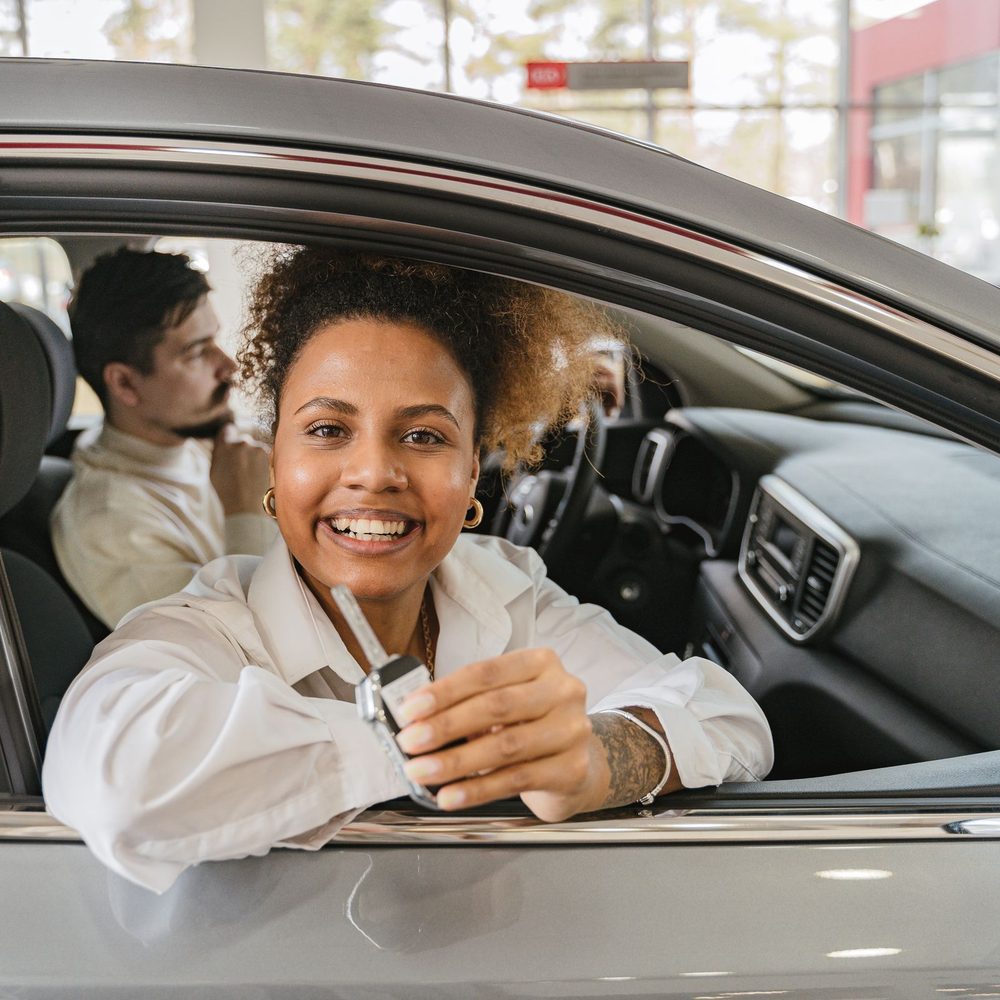
A completed payment does not always mean the title or state registration has been updated. Ask the lessor how the seller’s ownership interest will be conveyed, who submits documents and whether a lender will hold a new lien.
Use this working document card to keep responsibilities visible:
| Document or action | Who normally supplies or confirms it | Checkpoint |
|---|---|---|
| Signed lease and purchase-option terms | Current driver and lessor | Before requesting funds |
| Valid itemized buyout quote | Lessor | Before payment |
| Proof of accepted payment | Lessor or payment processor | Immediately after processing |
| Bill of sale or purchase agreement, if required | Authorized seller/lessor | At purchase |
| Title and lien-release records, as applicable | Titled owner and any lienholder | During ownership transfer |
| Odometer statement, if required | Appropriate transaction parties | When completing title paperwork |
| Tax, registration and updated insurance records | State agency, insurer and owner | Before or during registration |
Requirements vary by state, vehicle and transaction. Ask your state motor-vehicle agency what forms, signatures and deadlines apply to your ownership change. Keep an electronic backup of signed documents in a secure place, and retain the originals where required.
Check the final account record for unfinished business
Once payment is accepted, confirm what happened to the lease balance and the vehicle title. We suggest a final four-part check, rather than assuming the transaction ended when the funds left your account:
- Obtain written confirmation of payoff or purchase completion from the lessor.
- Verify the named owner and any lienholder on the title paperwork.
- Confirm registration and insurance now reflect the correct ownership arrangement.
- Review the final lease ledger for outstanding charges, credits or deposit treatment.
Ask which office to contact if the title does not arrive or a posted amount differs from the quote. Do not rely on an assumed nationwide delivery time. Save correspondence and transaction references so you can explain the discrepancy without reconstructing the process later.
Keep another path open if the figures change
A written purchase quote may reveal a higher total than expected. Compare that amount with the cost of returning the vehicle under your agreement, including any relevant mileage or condition obligations. You can ask the lessor whether any lawful sale arrangement is permitted, but ownership and transfer approval must come first.
If the purchase no longer fits and you have legal authority or the lessor’s approval for a sale, you may decide to list a vehicle for sale instead. We provide a marketplace connection, not title issuance or a promise of an approved transaction.
The cleanest buyout ends with matching documents: the contractual purchase right, a valid quote, proof of payment and completed ownership records. Keep those pieces together. They matter far more than a quick verbal promise that the car is now yours.