


A lease payment can become uncomfortable long before the agreement ends. If you are searching for how to get out of a car lease early, a transfer may be worth investigating. At TakeMyPayments, we connect drivers who want to leave an existing lease with people interested in assuming one. The key question comes before any listing: will your leasing company permit an assumption, and what responsibilities will remain after the handoff? We recommend starting with the written answers, then deciding whether the vehicle belongs in the marketplace.
Establish whether an assumption is possible
Find the assignment, transfer or assumption language in your signed contract. Some lessors allow another qualified person to take over a lease under specified conditions; others restrict the process or do not permit it. Ask whether your agreement has a minimum remaining term, geographic limitations or restrictions on the type of applicant. Policies may change, so confirm the rules for your particular account.
Start by comparing the contract with available lease-company information, then get the lessor’s current policy directly from its authorized representative. A directory entry is no substitute for a decision on your lease. Also ask whether the original driver receives a complete release from future responsibility. An approved change of driver does not necessarily erase the first driver’s liability.
Six questions to settle before you advertise
A serious applicant will want to know whether the arrangement is practical. These questions also help prevent you from promising terms you cannot deliver. Get the replies in writing when possible:
- Does the lessor allow an assumption on this contract, and what is the last eligible transfer date?
- Who evaluates the incoming driver’s credit and what documents must that person submit?
- Which application, transfer and administrative charges apply, and who may pay each one?
- Will I remain responsible for missed payments, damage or other obligations after the effective date?
- How will the security deposit, insurance, unused mileage and existing wear be handled?
- What signed document confirms completion, the effective date and any release of liability?
Record the representative’s name and the date of the conversation. If a reply is conditional, write down the condition rather than treating the transfer as approved. The written lease and final lessor documents control the result.
Prepare a vehicle snapshot a new driver can trust
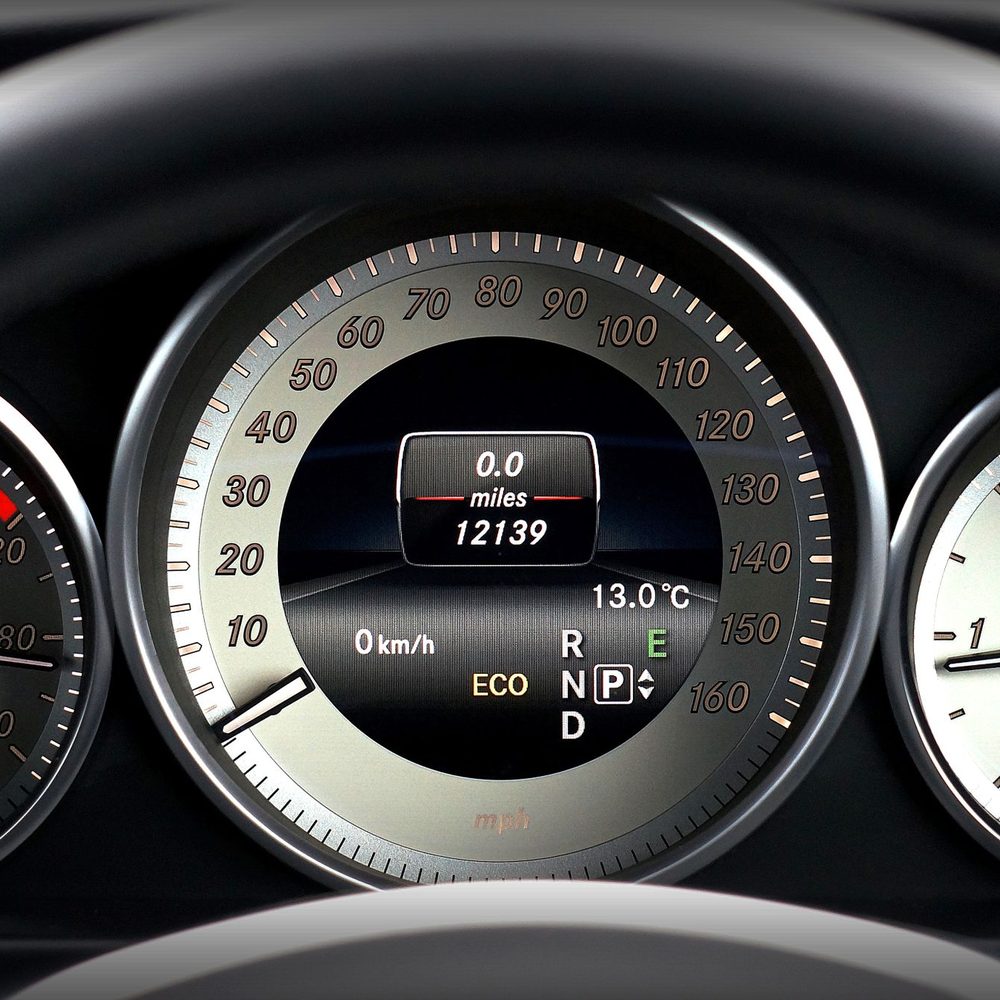
Before we can help you reach interested drivers, prepare facts they can use to judge the listing. Describe the vehicle as it stands today, including its remaining allowance for miles and its condition. Do not rely on photographs taken before new damage or repairs.
Your seller file should cover the essentials. Keep it concise enough to update when another payment posts or the odometer changes:
- Remaining monthly payments, next due date and scheduled lease-end date.
- Current odometer reading, total mileage allowance and any known mileage charges.
- Vehicle identification number, trim, equipment and clear current photographs.
- Maintenance history, visible wear, accident repairs and outstanding service issues.
- Leasing company’s confirmed transfer conditions and who expects to pay the approved costs.
These details make the listing more useful while leaving room for a prospective driver to ask questions. Share identity documents or complete lease statements only through an appropriate, verified process. Remove unrelated personal account information from anything you send to a stranger.
Work backward from proof of release
The last step matters most: you need evidence that the lessor actually accepted the replacement driver under the terms promised. Use this small document trail to organize the handoff.
| Ask the lessor | Evidence to keep |
|---|---|
| Is this applicant eligible for consideration? | Written policy or eligibility confirmation |
| Has the candidate completed credit review? | Lessor’s decision, not a buyer’s assurance |
| What charges and signatures remain? | Itemized instructions and executed forms |
| When can possession and insurance change? | Confirmed effective date and coverage record |
| Does the original lessee remain liable? | Final assumption and release documents |
A match on a marketplace is the beginning of the process. The lessor still reviews the applicant, prepares or approves the paperwork and sets the permitted handoff. Keep making any payments that remain your responsibility until you have a clear written instruction otherwise.
Avoid a handoff that exists only in conversation
An interested driver might offer to reimburse you each month while keeping the lease in your name. That arrangement does not amount to an approved assumption. Your contract may still hold you responsible, while insurance, registration and possession questions become harder to resolve.
We suggest scheduling a final condition check near the formal transfer date. Agree in writing on which keys, accessories and records are passed along. Confirm that required insurance is effective before possession changes, and retain proof of any deposit arrangement. Do not assume a security deposit automatically follows the vehicle.
If the lessor declines the transfer
You can ask for an itemized early-termination figure or a verified purchase quote. Neither figure should come from an old estimate on a marketplace page. The contractual costs of ending a lease early can be substantial, so compare written amounts before committing to an alternative.
If payments are becoming difficult, talk to the lessor promptly about possible arrangements when car payments are unaffordable. Any revised payment arrangement should also be documented. Returning the keys without an agreed resolution may leave unpaid obligations and other consequences.
Make the listing reflect the actual agreement
We want your listing to attract someone who can realistically complete the transfer. Before you advertise, verify eligibility, describe the car accurately and keep the lessor’s written requirements within reach. Our role is to help connect the two sides; final approval and any release come from the leasing company. That distinction protects you and gives the next driver a clearer starting point.